Why Arabic Music Feels Emotionally Different
Why does Arabic music feel spiritual, emotional, and timeless? Exploring maqams like Hijaz, Nahawand, and Rast, this article examines microtones, sonic tension, memory, and the emotional architecture of Arabic sound.
Why Arabic Music Feels Emotionally Different
There are certain sounds that seem to bypass language entirely.
A single melodic phrase can feel ancient, spiritual, mournful, or transcendent before the listener even understands where the music comes from. For many people encountering Arabic music for the first time, the emotional impact feels immediate and almost physical. The melodies seem to bend differently. The tension lasts longer. Resolution arrives later — or sometimes never fully arrives at all.
To listeners raised primarily on Western harmony, Arabic music often sounds mysterious, deeply emotional, cinematic, and spiritually charged. But this emotional power is not accidental. It emerges from a sophisticated musical philosophy built over centuries through systems known as maqams.
Unlike many modern commercial music systems that prioritize repetition and immediate resolution, traditional Arabic music often explores emotional ambiguity, sustained tension, longing, transcendence, and subtle melodic movement. It is music designed not simply to entertain, but to move consciousness itself.
Understanding why Arabic music feels emotionally different requires exploring the relationship between maqams, microtones, spirituality, memory, and cultural identity.
And once you hear these elements clearly, it becomes difficult to listen to sound in the same way again.
What Is a Maqam?
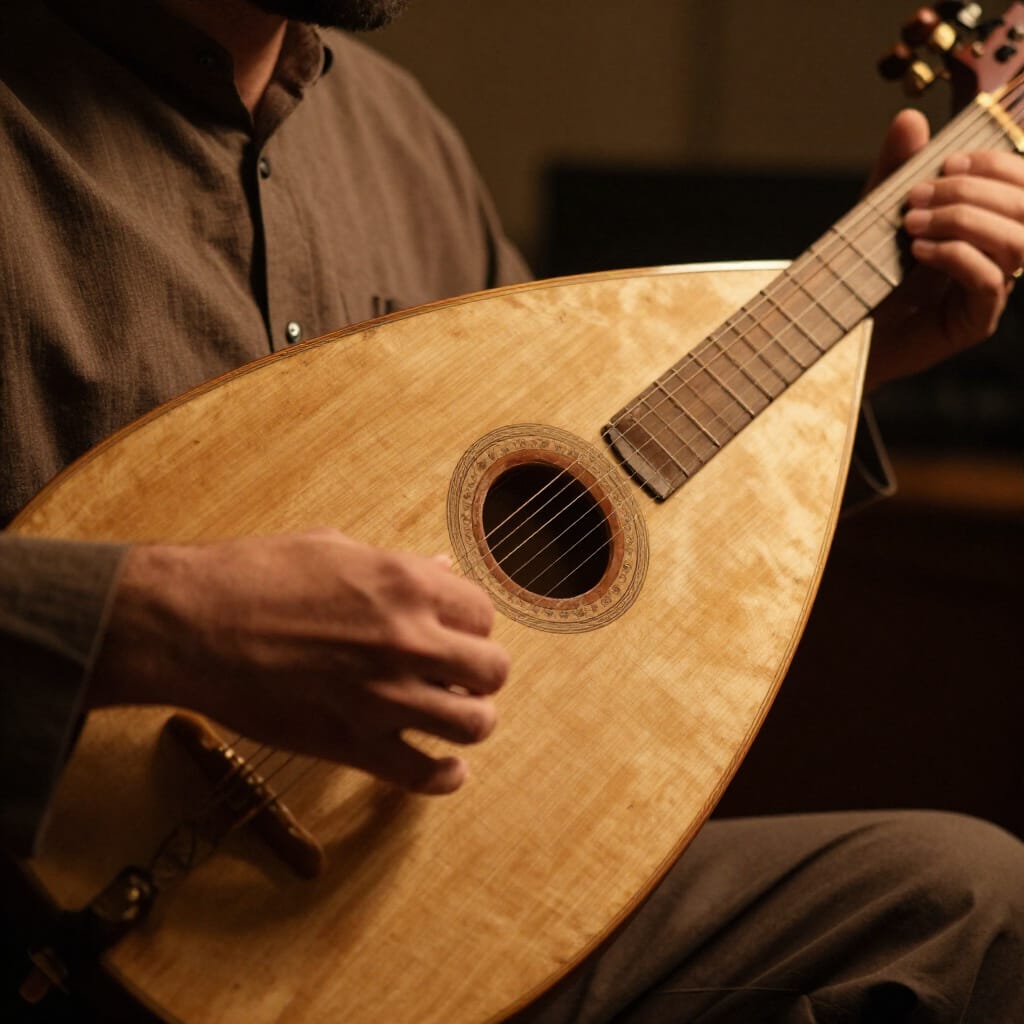
At the center of Arabic music is the concept of the maqam.
A maqam is often described as a musical scale, but this definition barely captures its depth. A maqam is closer to an emotional and melodic framework — a system that shapes not only which notes are used, but how melodies move, where tension exists, how phrases resolve, and what emotional atmosphere emerges.
In Western music theory, scales are usually treated mathematically: major equals happy, minor equals sad.
Arabic maqams operate differently.
Each maqam carries its own emotional gravity, personality, spiritual atmosphere, and psychological weight. Some maqams evoke longing. Others create serenity, introspection, dignity, melancholy, mysticism, or ecstatic transcendence.
The maqam is not only about notes. It is about emotional direction.
This is one reason Arabic music often feels more fluid and emotionally layered than highly structured Western harmonic systems.
Why Arabic Music Sounds So Emotional
One of the biggest reasons Arabic music feels emotionally different is its use of microtones.
Western music typically divides an octave into twelve fixed notes. Arabic music, however, often moves between these notes using intervals too subtle for standard Western tuning systems. These microtonal spaces create melodic colors that many listeners subconsciously interpret as emotionally complex or unresolved.
The effect is profound.
Western harmony often seeks clean resolution. Arabic melody frequently sustains emotional tension intentionally. Instead of quickly resolving discomfort, it explores it. It lingers inside longing.
This lingering quality is one of the defining emotional signatures of Arabic music.
The listener is not simply hearing melody. They are experiencing emotional suspension.
This is why Arabic music can feel:
ancient
spiritual
mournful
hypnotic
cinematic
transcendent
even without lyrics.
The emotional architecture exists directly inside the melodic movement itself.

The Emotional Power of Maqam Hijaz
Among the most recognizable maqams is Hijaz.
Even listeners unfamiliar with Arabic music often recognize its sound immediately. Hijaz appears constantly in cinema, historical epics, spiritual music, documentaries, and film scores attempting to evoke distance, mystery, desert landscapes, or sacred atmosphere.
But reducing Hijaz to “Middle Eastern sounding” misses its emotional depth.
Hijaz creates tension through its interval structure. The melody feels simultaneously grounded and unstable. It pulls upward emotionally while maintaining a sense of unresolved yearning.
The result is a sound often associated with:
longing
exile
spirituality
mysticism
emotional distance
sacred tension
In cinematic audio, Hijaz works because it creates emotional scale. It immediately expands the perceived emotional space of a scene.
This is why composers across Hollywood, game audio, and modern trailer music frequently borrow from maqam-inspired phrasing even when they do not fully understand its origins.
The emotional impact remains undeniable.
Nahawand and the Sound of Melancholy
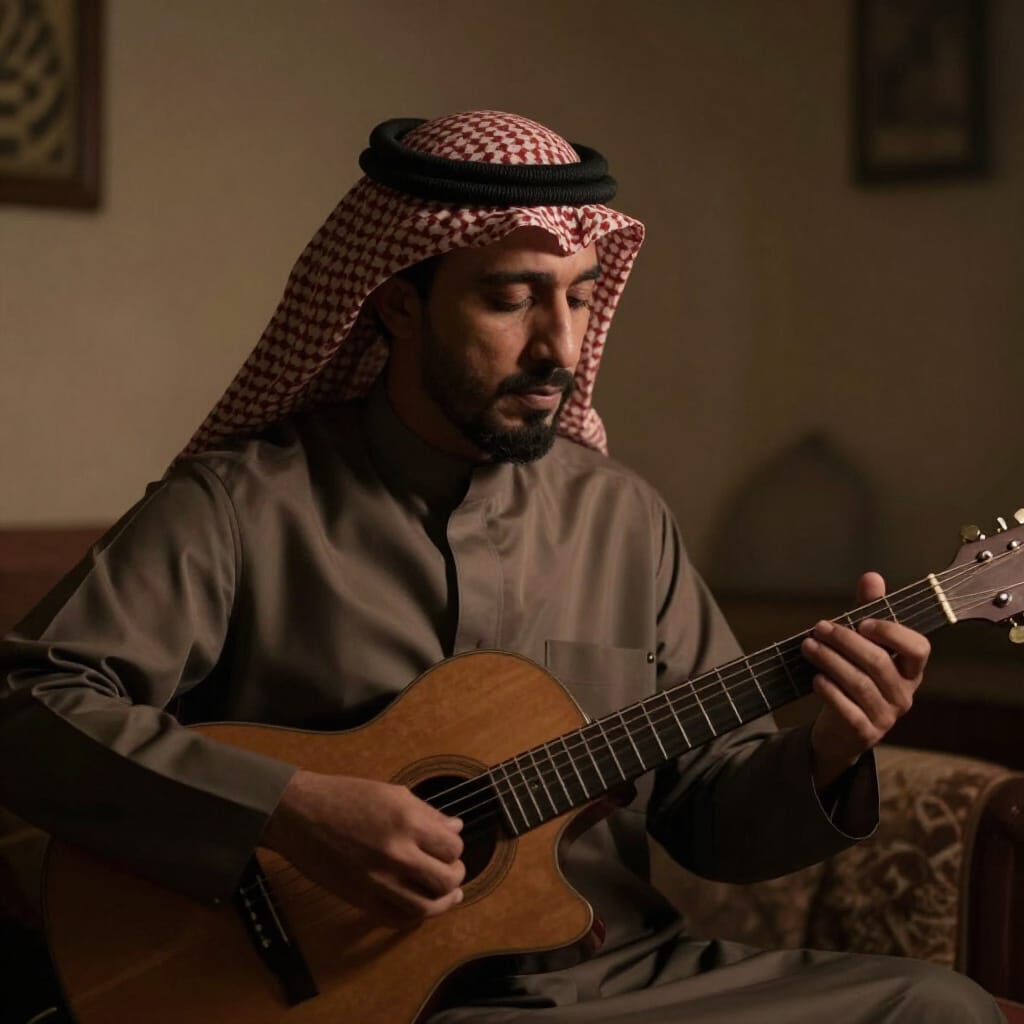
If Hijaz evokes spiritual tension, Nahawand often evokes introspection and melancholy.
Nahawand shares some similarities with Western minor scales, which is partly why it feels emotionally accessible to many global listeners. But its phrasing and melodic movement create a more fluid emotional landscape than conventional minor harmony.
Nahawand does not simply sound sad.
It sounds reflective.
The maqam carries emotional softness while still preserving depth and gravity. In many traditional performances, Nahawand feels less like dramatic sorrow and more like emotional memory unfolding slowly through sound.
This quality makes Nahawand particularly powerful in:
cinematic storytelling
reflective vocal music
spiritual compositions
orchestral Arabic arrangements
emotional film scores
In many ways, Nahawand represents one of the clearest examples of how Arabic music prioritizes emotional atmosphere over simplistic harmonic formulas.
Rast and Emotional Grounding
Another foundational maqam is Rast.
Where Hijaz creates longing and Nahawand creates introspection, Rast often conveys dignity, stability, grounding, and balance.
Many musicians describe Rast as emotionally “centered.” It carries a sense of confidence without aggression and spirituality without melancholy.
In traditional Arabic musical philosophy, maqams were sometimes understood almost like emotional or psychological states. Certain maqams were associated with specific times of day, moods, or spiritual conditions.
This relationship between sound and emotional identity reflects a very different philosophy from modern algorithm-driven music culture, where songs are often optimized primarily for immediacy and repetition.
Arabic musical systems historically treated melody as something capable of shaping inner experience.
Sound was not merely entertainment.
It was emotional architecture.
Spirituality Inside Arabic Melody
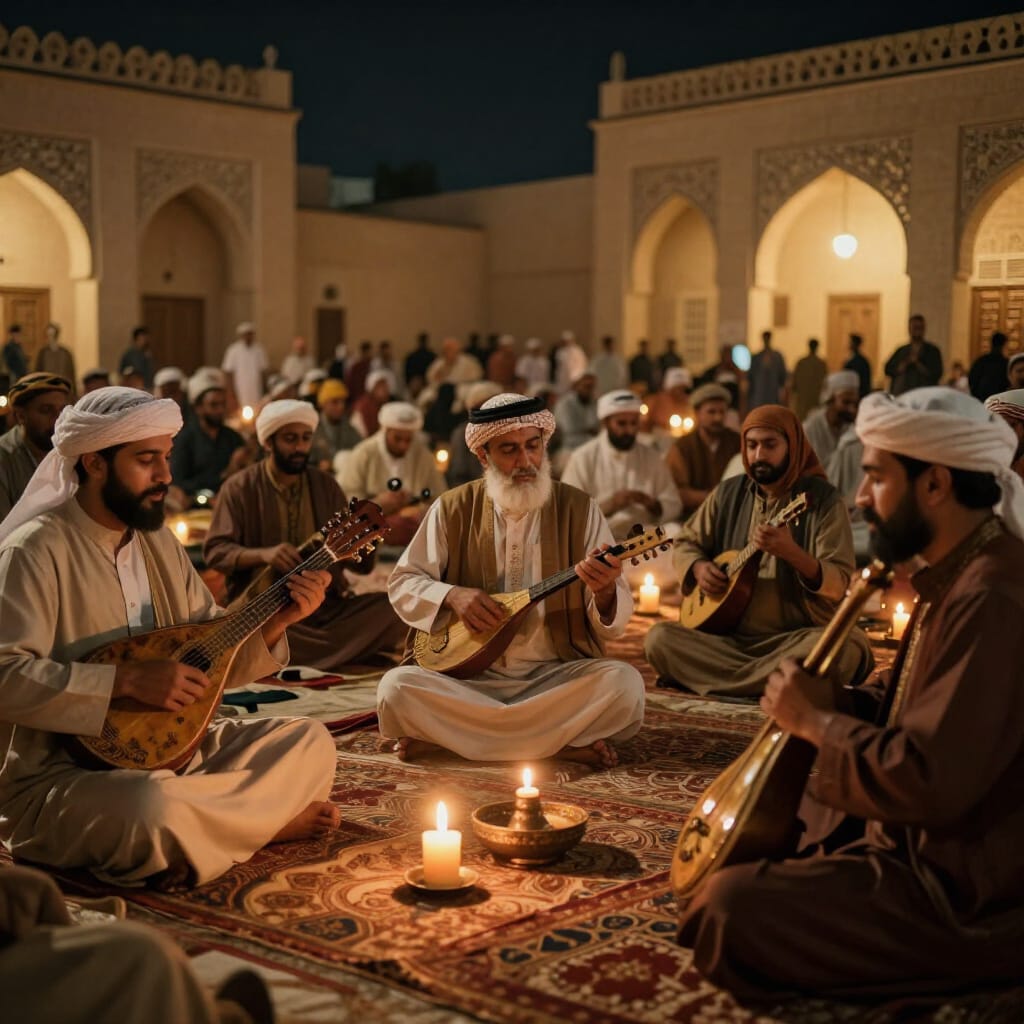
One reason Arabic music feels spiritually powerful is because many of its melodic traditions developed alongside systems of prayer, poetry, recitation, and sacred performance.
The relationship between spirituality and sound is deeply embedded within Arabic sonic culture.
This does not mean every Arabic composition is religious. Rather, it means many musical traditions evolved in environments where sound was understood as emotionally transformative.
The voice itself becomes central.
Arabic vocal performance often emphasizes:
breath
texture
ornamentation
sustained emotional phrasing
melodic flexibility
Rather than striving for mechanical perfection, traditional performance often embraces emotional vulnerability and expressive imperfection.
This is one reason highly processed modern music can sometimes feel emotionally sterile by comparison.
Traditional Arabic performance preserves humanity inside the sound itself.
Why Western Listeners Hear Arabic Music as “Ancient”
Many Western listeners describe Arabic music as sounding ancient or timeless.
Part of this reaction comes from unfamiliar interval relationships. Because the melodic movement differs from standard Western tuning systems, the brain perceives the sound as emotionally unpredictable.
But there is also something deeper happening.
Modern Western commercial music often prioritizes:
fast hooks
immediate gratification
repetitive structure
predictable harmonic movement
Arabic musical traditions frequently move more slowly and emotionally. Melodies evolve gradually. Emotional tension is allowed to breathe.
This slower emotional pacing creates a sense of depth and scale that many listeners subconsciously associate with age, spirituality, or historical memory.
The music feels connected to something older than modern consumption cycles.
And in many ways, it is.
Cinema’s Obsession With Arabic Sonic Language
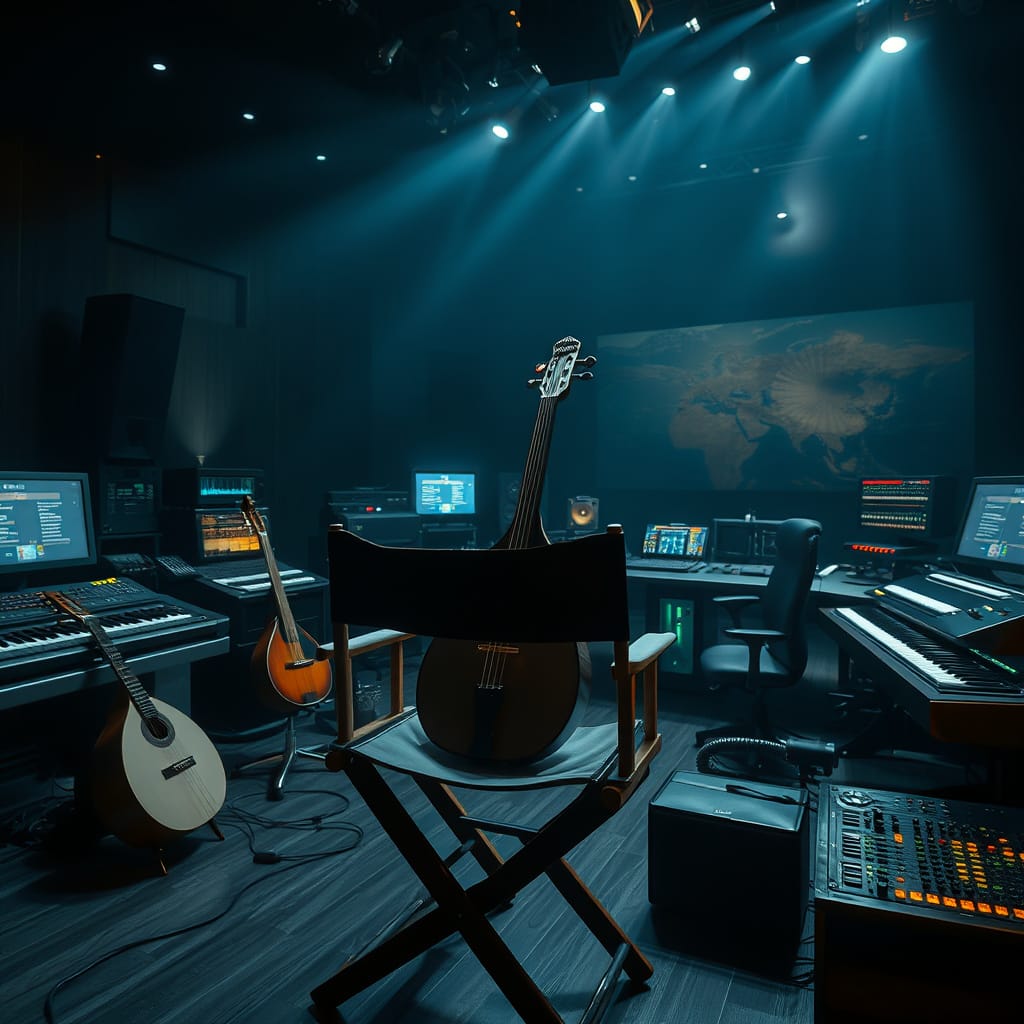
Modern cinema constantly borrows from Arabic musical language.
Film composers frequently use maqam-inspired melodies, microtonal phrasing, frame drums, ney flutes, oud textures, and vocal ornamentation to create emotional scale and atmosphere.
This is especially common in:
science fiction
historical epics
psychological drama
desert landscapes
spiritual narratives
dystopian worldbuilding
Films such as Dune demonstrate how deeply Arabic and Middle Eastern sonic aesthetics influence modern cinematic audio.
The reason is simple: Arabic melodic systems naturally create emotional dimensionality.
The sound immediately expands the psychological space of a scene.
Even when audiences cannot identify the theory behind the music, they feel its emotional gravity instantly.
Are We Losing Regional Sonic Identity?
As streaming platforms globalize music consumption, many regional sonic traditions are becoming flattened into universal production aesthetics.
Heavy quantization. Perfect tuning. Compressed dynamics. Algorithmic songwriting.
Much of modern music now aims for frictionless listening.
But traditions like Arabic maqam music remind us that emotional power often comes from tension, ambiguity, and imperfection.
The emotional richness of Arabic music exists precisely because it does not rush toward resolution.
It allows emotion to remain unfinished.
This may be one reason so many listeners around the world continue to feel deeply moved by Arabic sonic traditions even when they do not understand the language itself.
The emotional communication exists beyond words.
The Future of Emotional Audio
As AI-generated music and hyper-optimized production continue to grow, traditions rooted in emotional nuance may become even more important.
Arabic music demonstrates that sound can still function as:
memory
identity
spirituality
emotional architecture
cultural inheritance
The maqam is more than a theoretical system.
It is a philosophy of emotional movement through sound.
And in an era increasingly dominated by algorithmic sameness, that emotional depth may become one of the most valuable artistic qualities left.