Silence as a Weapon in Sound Design
Film Audio • 12/05/2026
Silence in cinema is never truly empty. This article explores how filmmakers and sound designers use silence to create tension, fear, emotional pressure, and psychological immersion.
Silence as a Weapon in Sound Design
Modern cinema is filled with noise.
Explosions shake theaters. Subwoofers vibrate entire rooms. Trailer impacts slam into the audience with engineered force. Streaming platforms compete for attention through loudness, density, and constant stimulation.
Yet some of the most powerful moments in film are almost silent.
A hallway with no music. A breath before disaster. The absence of dialogue during grief. The muted pressure before violence erupts.
These moments reveal something fundamental about cinematic audio:
Silence is not emptiness. Silence is control.
In modern sound design, silence has become one of the most sophisticated psychological tools available to filmmakers. It can create fear, anticipation, emotional isolation, intimacy, spiritual weight, and even physical discomfort.
The audience often remembers the explosion.
But emotionally, they remember the silence before it.

The Illusion of Silence
True silence almost never exists in cinema.
Even scenes that feel silent usually contain carefully designed layers:
distant room tone
low-frequency ambience
subtle air movement
electrical hum
reverberation tails
barely audible textures
What audiences perceive as silence is usually reduced sonic density.
The purpose is psychological.
When the brain suddenly loses information, it becomes alert. Humans evolved to interpret unusual silence as danger. In nature, silence can signal predators, tension, or environmental disruption.
Cinema weaponizes this instinct.
A crowded soundscape suddenly disappears.
The audience unconsciously leans forward.
Why Silence Creates Fear
Fear in cinema is often created through subtraction rather than addition.
Many inexperienced creators assume fear comes from loud horror stingers or aggressive musical cues. But constant sound reduces sensitivity. The audience adapts.
Silence resets perception.
When sound disappears, every tiny detail becomes magnified:
footsteps
breathing
fabric movement
distant creaks
mechanical clicks
The brain begins searching for threats.
This is why psychological horror often uses silence more effectively than action films.
The audience becomes trapped inside anticipation.
Not knowing when sound will return creates anxiety.
The Sound of Anticipation
Anticipation is one of the core emotional engines of cinema.
And anticipation requires space.
Without silence, tension has nowhere to grow.
A sustained wall of music eventually becomes emotionally flat because the listener acclimates to the intensity. Silence interrupts adaptation. It reintroduces uncertainty.
This technique appears constantly in modern filmmaking:
music suddenly cuts out before impact
ambience narrows before violence
dialogue disappears during emotional realization
low-frequency pressure replaces orchestration
The result is not passive quietness.
It is active psychological compression.
Silence stretches time.
Seconds feel longer.
Breaths feel heavier.
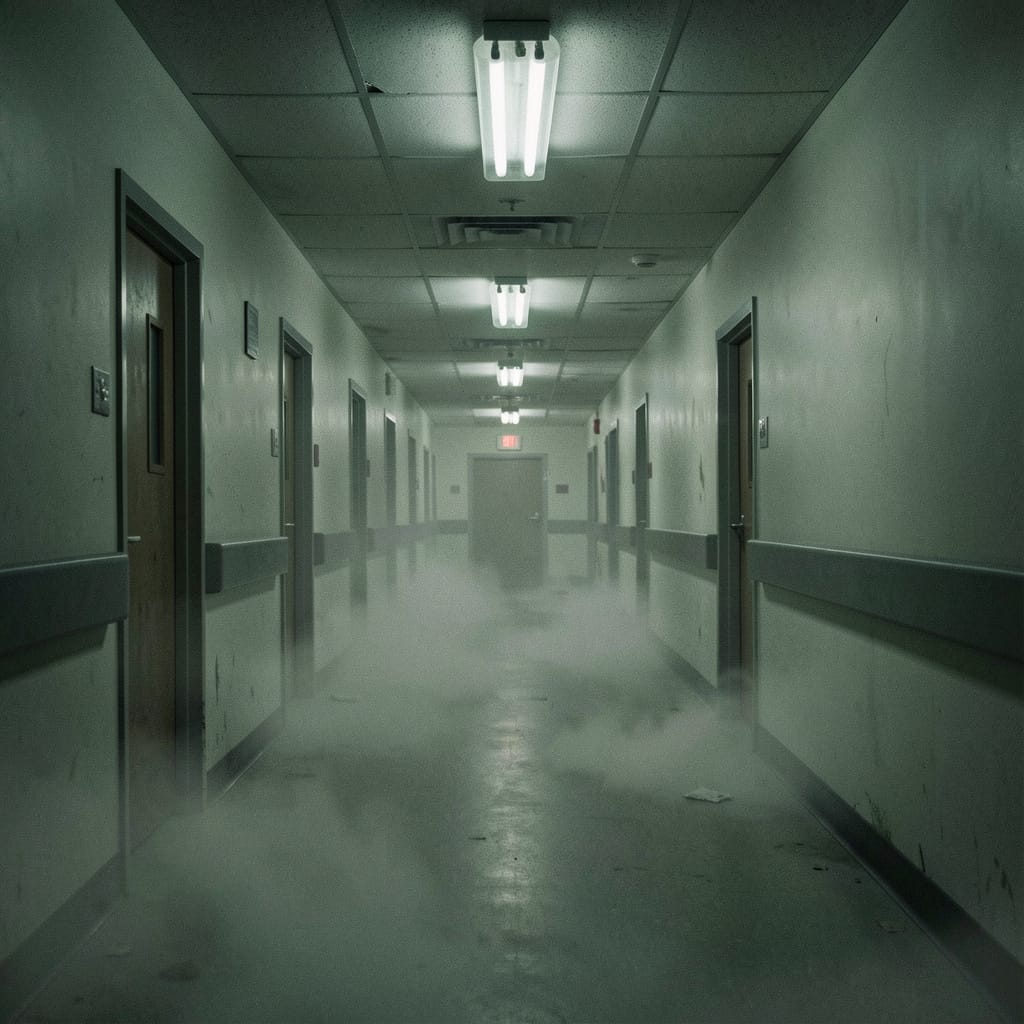
Silence and Physical Scale
One of the most overlooked uses of silence is the creation of physical scale.
Massive cinematic moments often begin quietly.
Before giant machines appear. Before spacecraft emerge. Before creatures attack. Before cities collapse.
Why?
Because contrast creates magnitude.
If every moment is loud, nothing feels large.
Silence acts like negative space in visual art. It frames the impact that follows.
This principle explains why many modern trailers use the pattern of:
near silence
isolated sound cue
rising tension
massive impact
The audience experiences dynamic contrast emotionally, not just sonically.
Why Silence Feels Intimate
Silence also creates emotional closeness.
When loud environmental information disappears, human details become dominant.
A whisper feels closer. A trembling breath feels vulnerable. Small vocal imperfections become emotionally exposed.
This is why many dramatic scenes reduce musical density during moments of grief, confession, or emotional collapse.
The audience stops observing the character.
They begin feeling trapped inside the character’s emotional space.
Silence removes distance.
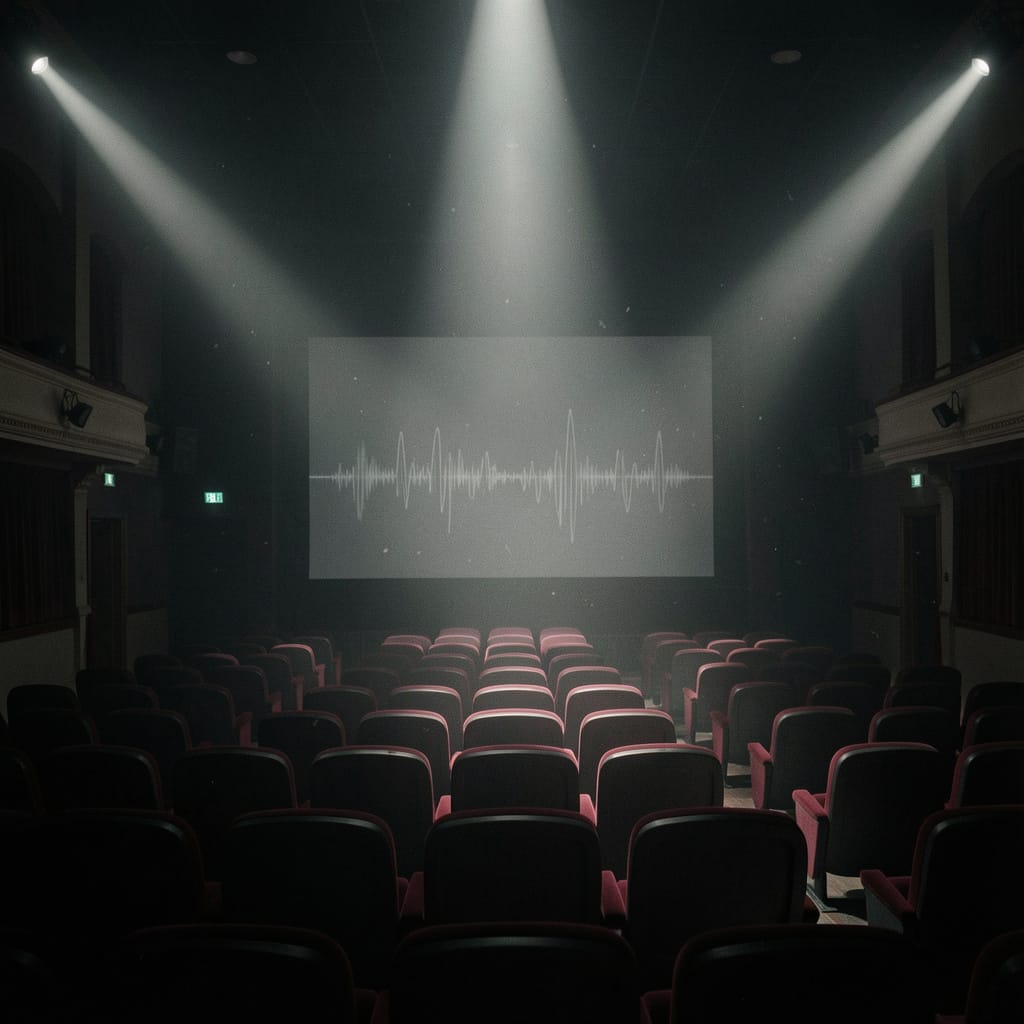
The Psychological Weight of Room Tone
Professional sound designers understand that silence is never empty.
One of the most important tools in cinematic silence is room tone.
Room tone is the subtle environmental sound of a space existing naturally:
air movement
distant traffic
fluorescent hum
environmental resonance
HVAC noise
subtle reflections
Without room tone, scenes feel artificial or emotionally disconnected.
With carefully designed room tone, silence gains realism and psychological depth.
Different room tones create different emotional responses:
cold electrical hums feel clinical
soft wind textures feel lonely
low industrial ambience feels oppressive
distant urban noise feels isolating
The audience may not consciously identify these sounds.
But emotionally, they shape perception.
Silence in Psychological Horror
Few genres understand silence better than psychological horror.
Unlike traditional horror, psychological horror relies less on visible threats and more on emotional uncertainty.
Silence becomes a mechanism of instability.
The audience begins imagining danger before danger appears.
This technique works because humans instinctively fill silence with expectation.
In many modern horror films:
music disappears before terrifying moments
dialogue becomes sparse
ambient detail narrows dramatically
isolated sounds become hyper-detailed
The listener enters a state of hyper-awareness.
Every sonic detail feels dangerous.
This is often more effective than loudness itself.
The Difference Between Quiet and Silence
Quiet and silence are not the same thing.
Quiet simply means reduced volume.
Cinematic silence is emotional design.
A quiet scene can still feel emotionally inactive.
But designed silence contains intention.
It controls:
pacing
perception
emotional pressure
spatial awareness
anticipation
psychological tension
The most advanced sound designers understand silence as structure rather than absence.
Silence as Rhythm
Silence also functions rhythmically.
Music relies on rests as much as notes.
Film audio operates similarly.
Without pauses, sound becomes shapeless.
Silence creates pacing.
It allows moments to breathe.
It creates separation between emotional states.
Even action scenes use silence rhythmically:
impact
silence
impact
ambience swell
silence again
These gaps make the sequence feel larger and more controlled.
Continuous noise reduces emotional impact over time.
Silence restores it.
The Cultural Fear of Silence
Modern culture increasingly fears silence.
Streaming platforms autoplay content immediately. Social media platforms constantly fill empty space with sound. Music is compressed for loudness competition. Public spaces are saturated with noise.
Silence has become unfamiliar.
This makes cinematic silence even more powerful.
When audiences suddenly experience reduced sonic information, the moment feels unnatural — almost sacred or threatening.
Modern sound design exploits this cultural conditioning.
The absence of sound now feels emotionally significant because society rarely experiences true stillness.
Silence and Memory
Silence also changes how scenes are remembered.
The brain tends to preserve emotionally distinct moments more strongly than continuous stimulation.
A sudden silent sequence interrupts expectation.
This creates memory anchors.
Many iconic film moments use silence or near-silence precisely because it isolates emotional experience:
space sequences
death scenes
emotional revelations
traumatic realization
moments of awe
Silence frames memory.
It tells the brain:
This moment matters.
Low Frequencies and Invisible Pressure
Modern cinematic silence often contains hidden low frequencies.
Audiences may not consciously hear them, but they physically feel them.
Sub-bass rumble can create:
anxiety
instability
anticipation
dread
physical tension
This creates the illusion that silence itself has weight.
The audience feels pressure without understanding why.
This technique appears constantly in contemporary thrillers, science fiction, and horror films.
The silence is never truly empty.
It is engineered tension.
Why Overdesigned Audio Loses Power
One reason many modern productions feel emotionally exhausting is the absence of silence.
Everything competes for attention simultaneously:
music
dialogue
impacts
ambience
transitions
effects
Without negative space, emotional dynamics collapse.
The audience becomes desensitized.
Silence restores emotional contrast.
It allows sound to feel meaningful again.
This is why some minimalist films feel more emotionally immersive than heavily layered productions.
Restraint creates focus.
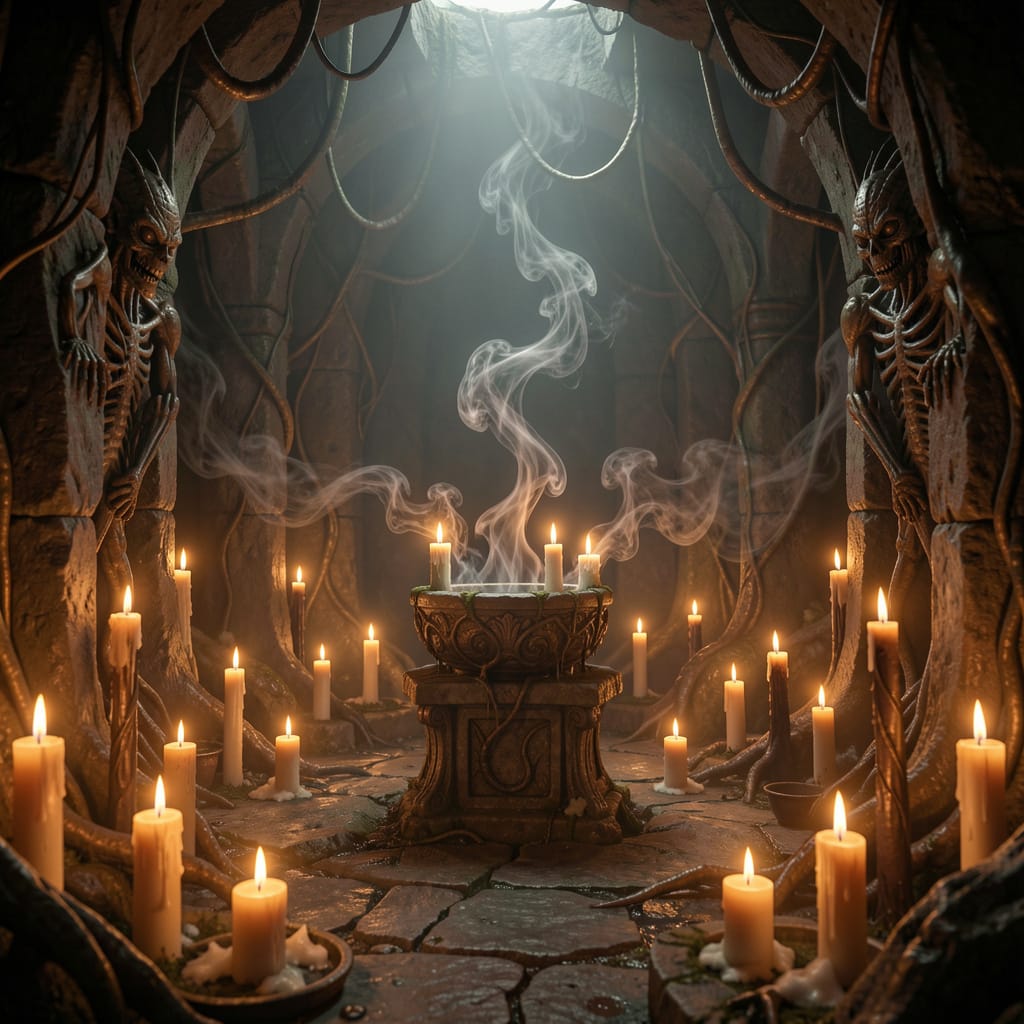
Silence in Spiritual and Ritual Contexts
Across many cultures, silence has long been associated with spiritual transformation.
Ritual spaces often use controlled silence to create:
reverence
emotional focus
psychological transition
communal tension
transcendence
This relationship between silence and meaning appears throughout global sonic traditions.
In many ceremonial contexts, silence is not passive.
It is preparation.
Cinema unconsciously borrows from this same emotional logic.
The silence before revelation carries psychological gravity.
The Architecture of Sonic Space
Sound designers often think architecturally.
Silence functions like darkness in visual storytelling.
It shapes space by controlling what is absent.
Removing sound can suddenly make environments feel:
enormous
claustrophobic
isolated
dreamlike
unreal
This is especially important in film audio, where sonic space defines emotional immersion.
Silence changes perceived geography.
A scene with minimal ambience can feel emotionally detached from reality itself.
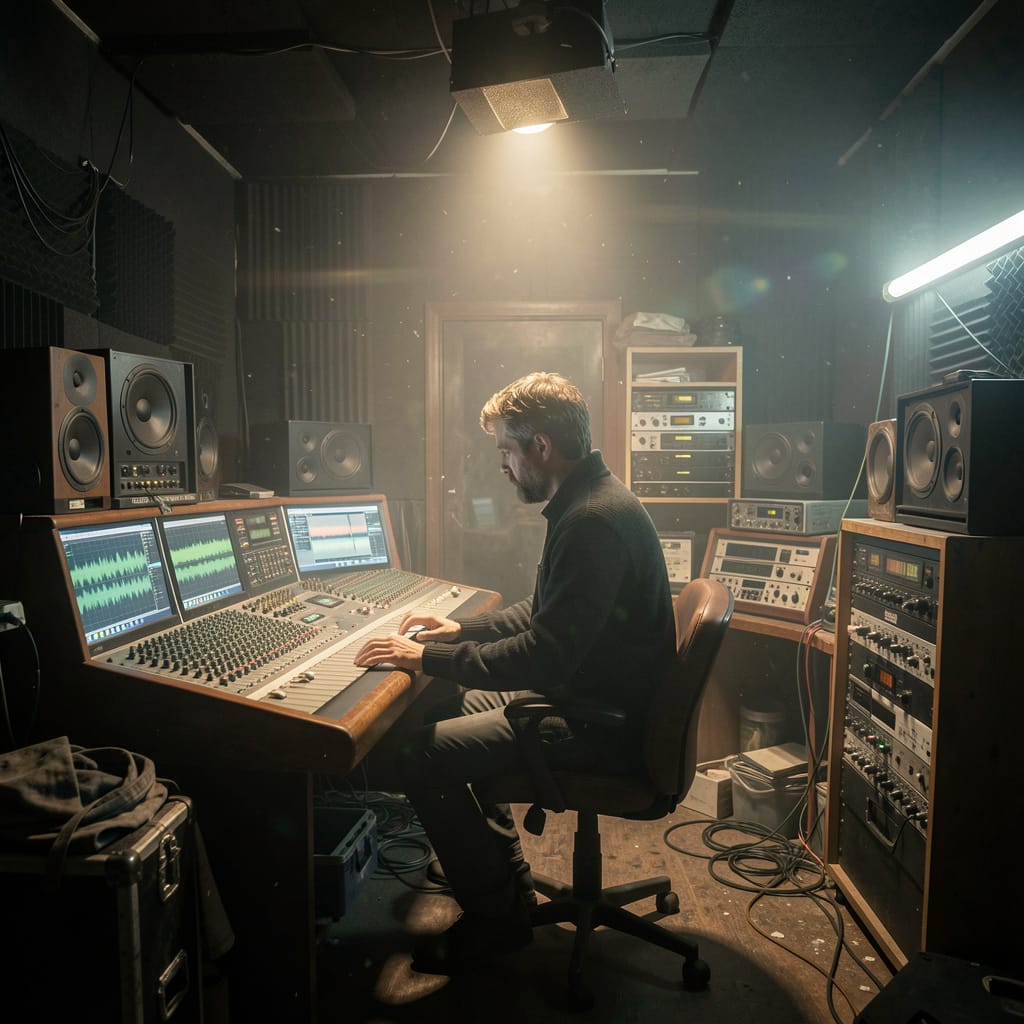
Digital Culture and the Death of Silence
Modern technology has transformed humanity’s relationship with silence.
Headphones, notifications, algorithms, streaming content, and constant media exposure have reduced opportunities for genuine stillness.
As a result, silence now feels emotionally unusual.
This has major implications for modern cinematic audio.
Silence stands out more aggressively than ever before.
In an age of permanent stimulation, quietness becomes radical.
The absence of noise now carries emotional force.
The Future of Silence in Sound Design
As cinema becomes louder and more hyperreal, silence may become even more important.
Artificial intelligence, algorithmic editing, and streaming optimization increasingly push media toward constant engagement.
But emotional depth often emerges through contrast.
The filmmakers and sound designers who understand silence will continue creating more immersive experiences than those relying purely on loudness.
Because audiences do not only remember sound.
They remember tension.
They remember anticipation.
They remember emotional space.
And often, that space is built through silence.
Internal Connections (Adinkra Lab Ecosystem)
This article connects to:
Culture Archive →
Studio Insights →
Conclusion
Silence in cinema is never truly silent.
It is shaped, engineered, sculpted, and emotionally controlled.
Modern sound design understands that fear is often created through absence rather than noise. Silence slows perception, magnifies detail, creates tension, and transforms emotional space.
It can make rooms feel haunted.
It can make characters feel isolated.
It can make audiences physically uncomfortable.
Most importantly, silence creates meaning through contrast.
Because in cinematic audio, the most powerful sound is sometimes the one deliberately removed.